 Finance
Category
Insurance
Insurance guides on Finance Bearings.
Understanding Actual Cash Value on Your Homeowners Policy
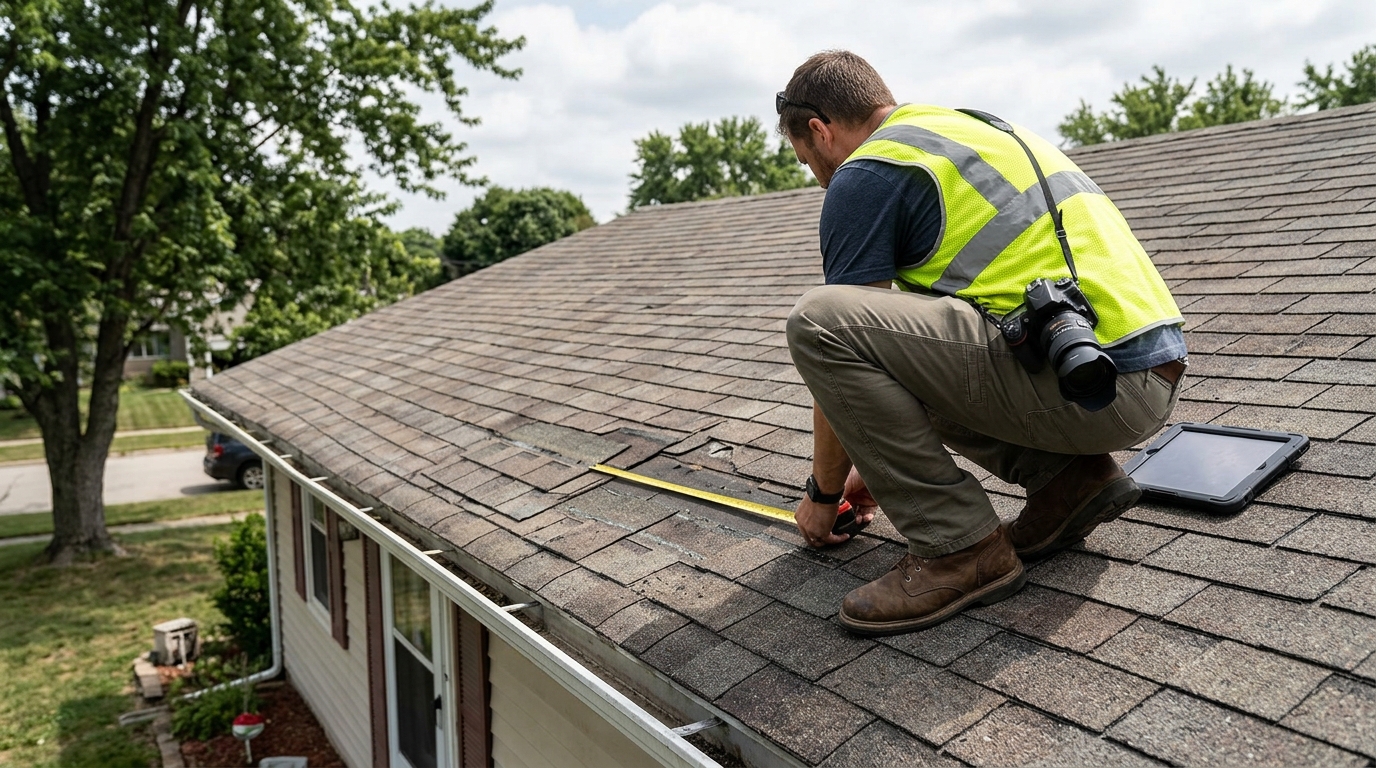
Actual cash value (ACV) is a way of settling a claim, not a separate coverage. It pays what the damaged property was worth the moment it was destroyed — replacement cost minus depreciation for age and wear — then subtracts your deductible. On a roof or a ten-year-old sofa, that gap can be most of the bill.
Priya Chandrasekaran · 9 min read

Term Life vs. Whole Life Insurance Compared
Term life and whole life both pay a beneficiary when you die. The difference is how long the promise lasts, what happens to your money while you are alive, and what you pay each month. Term insurance pays a death benefit only if the insured dies during the term and generally builds no cash value; permanent insurance such as whole life pairs the death benefit with a cash-value element (National Association of Insurance Commissioners, undated).
Priya Chandrasekaran · 8 min read

What Happens After You File a Car Insurance Claim
Filing is the easy part. What follows is a sequence of regulated steps: an acknowledgement, an investigation, a written acceptance or denial that must name the policy language it relies on, and a payment deadline. Each of those steps runs on a clock set by your state's insurance code, not by the adjuster's schedule.
Renata Ibarra · 8 min read

HO-3 vs. HO-5 Homeowners Insurance Compared
HO-3 and HO-5 are both standard homeowners forms, and they treat the building itself identically. The difference sits in one place: personal property. An HO-3 covers your belongings only against perils named in the policy, while an HO-5 covers them against everything except what the policy excludes (Policygenius, undated). An HO-3 also pays for those belongings at depreciated actual cash value unless you buy an endorsement, where an HO-5 pays replacement cost by default (Insure.com, undated).
Tobias Lindqvist · 7 min read
What Is Loss of Use Coverage and Do You Need It?
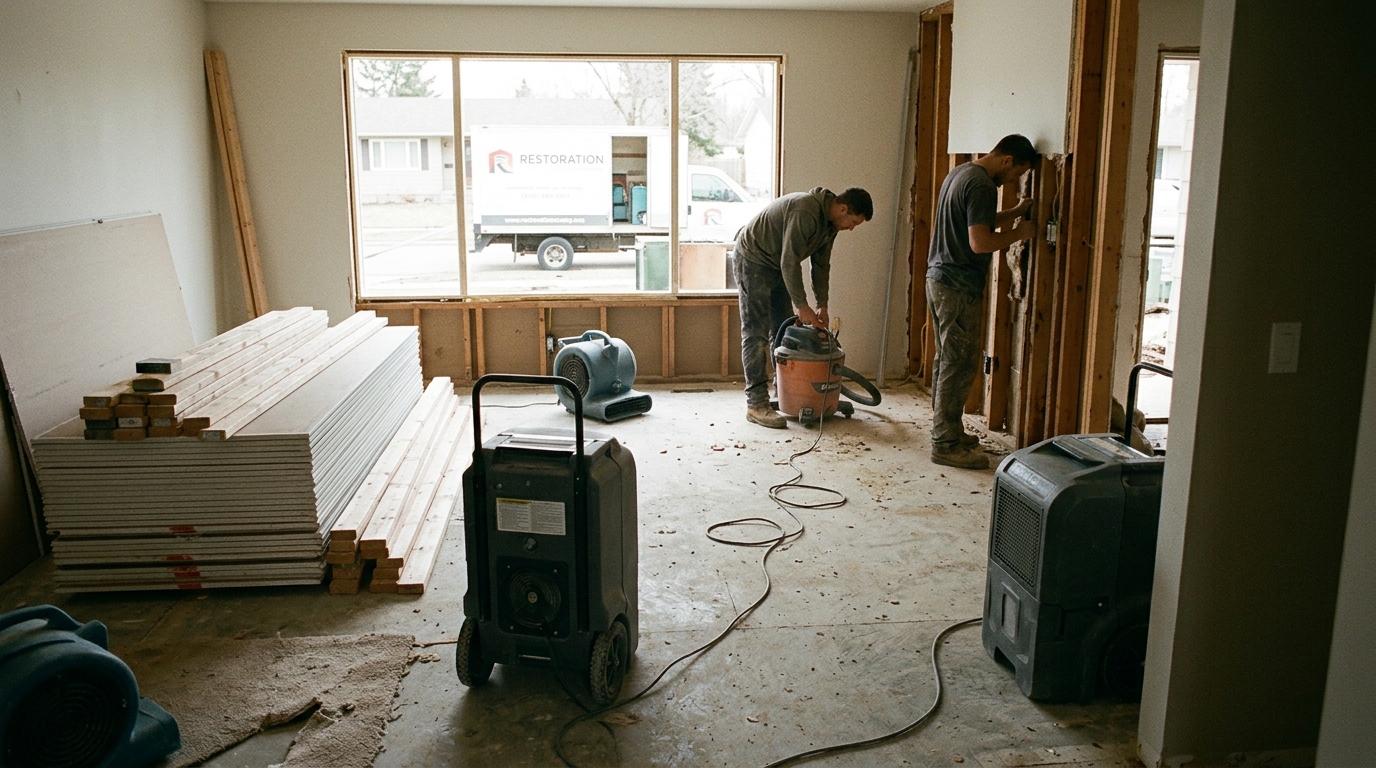
Loss of use coverage — printed on most policies as Coverage D or Additional Living Expenses (ALE) — is the part of a homeowners or renters policy that pays for a motel, a short-term rental and other added costs when a covered loss makes your home unfit to live in. It is a standard part of homeowners insurance (Farmers Insurance (citing Insurance Information Institute), undated), so for most people the question is not whether to add it but whether the built-in cap is big enough and lasts long enough.
Renata Ibarra · 9 min read

How to File a Life Insurance Claim, Step by Step
Filing a life insurance claim is mostly a documents exercise. The insurer has to confirm three things: that the person died, that the policy was in force on that date, and that you are the beneficiary named on it. Everything you send is in service of one of those three questions, and the claim moves at the speed of the slowest missing document.
Marisol Ferreira · 9 min read

How to File a Water Damage Claim, Step by Step
A water damage claim is won or lost in the first week. Insurers decide these claims on two questions: was the water sudden and accidental, and can you prove it. Everything you gather before the adjuster arrives goes to those two points.
Desmond Okafor · 9 min read
Filing a Claim for a Fallen Tree: What to Do First
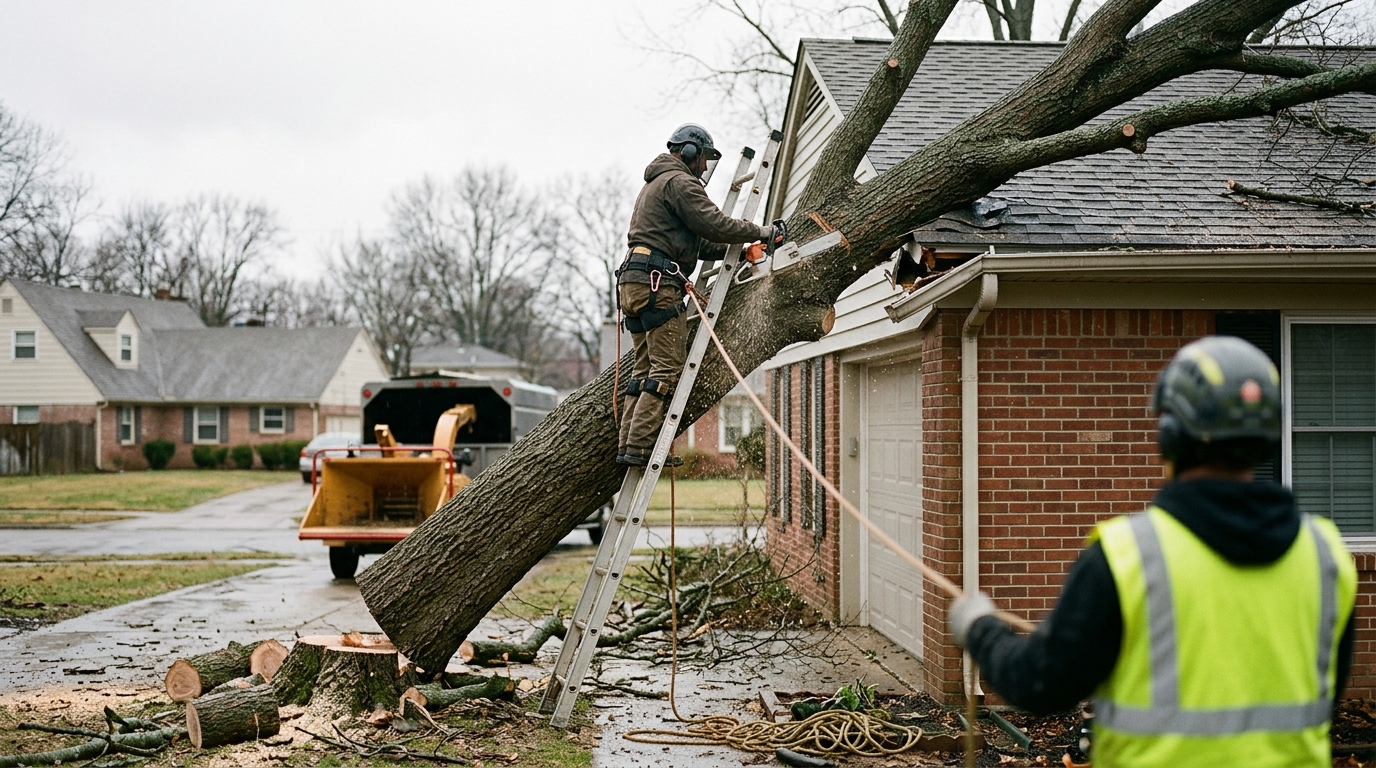
A tree on your roof is a property damage claim, a debris removal claim and, sometimes, a dispute with a neighbor's insurer — and the three are paid under different parts of the policy with different limits. What you do in the first day, before the chainsaws arrive, decides how much of it gets paid.
Tobias Lindqvist · 9 min read

Short-Term Disability vs. Long-Term Disability Insurance Compared
Short-term and long-term disability insurance are not competing products so much as two halves of a timeline. Short-term disability (STD) typically replaces 40% to 70% of salary for three to six months (U.S. Chamber of Commerce, undated). Long-term disability (LTD) typically pays about 60% of gross monthly income, but only after a waiting period of 30 to 180 days, with 90 days common (U.S. Chamber of Commerce, undated).
Renata Ibarra · 8 min read

Replacement Cost vs. Actual Cash Value: Which Do You Need?
Every property policy settles claims one of two ways. Actual cash value pays what your damaged item was worth the day it broke — replacement cost minus depreciation (Progressive, 2024-08-22). Replacement cost value pays what it costs to buy the item again, ignoring depreciation (Progressive, 2024-08-22). The gap between them is called recoverable depreciation, and on a single stolen laptop it can run $800.
Desmond Okafor · 8 min read

Understanding Gap Insurance on Your Auto Loan Policy
GAP is an optional add-on that covers the difference between what you owe on an auto loan and what your insurance company pays if the car is stolen or totaled (Consumer Financial Protection Bureau, 2024-03-08). It exists because standard auto insurance pays up to the value of the vehicle, not the balance of your loan (Consumer Financial Protection Bureau, 2024-03-08) — and those two numbers can be thousands of dollars apart in the first years of a long loan.
Tobias Lindqvist · 8 min read

What Is Umbrella Insurance and Do You Need It?
Umbrella insurance is extra liability coverage that pays only after the liability limit on an underlying policy — usually auto, homeowners or renters — has been used up. It does not replace those policies; it extends them, and insurers will not sell it to you unless your underlying limits are already high.
Marisol Ferreira · 8 min read